

Personalisation = Segmentation + Messaging
Welcome to this week’s Marketing for You. We’re going to talk about personalisation.
From our own campaigns and client work, one of the clearest lessons we’ve learned is: when “personalisation” works, it’s not because of a trick, a hack, or a fancy feature.
It works because two simple things are done well: who you talk to, and what you say to them.
That’s why, at Bulbul, we like to think of it as a very simple equation:
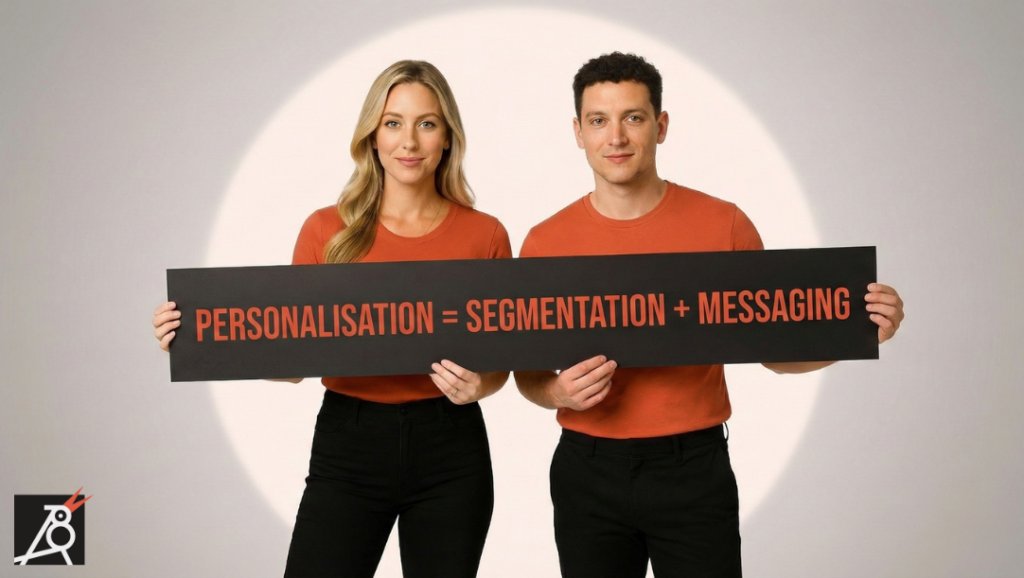
Once you see it this way, personalisation stops being a big, complicated buzzword and starts to look like practical, everyday marketing work.
Segmentation: deciding who you are really talking to
Most brands still treat their audience as one big list. It’s easier in the short term, but it makes every message feel generic.

Segmentation is the moment you admit that not everyone in your database has the same needs, timing or context. You can segment by, for example:
- who they are (role, industry, country),
- where they are in the journey (lead, new customer, loyal customer),
- what they do (pages visited, products viewed, forms filled, orders placed).
Once you see these groups clearly, “personalisation” stops being abstract and starts looking like simple, structured work.
Messaging: what they actually hear
Using a first name in the subject line is not personalisation on its own.

True messaging work is asking:
- What does this segment worry about right now?
- What decision are they trying to make?
- What is the next helpful step for them, not for you?
For some segments, that might be a clear offer. For others, it’s education, reassurance or a quiet nudge instead of pressure. Personalisation here is less about clever tricks and more about respect: fewer, better messages that feel relevant.
When segmentation and messaging meet
Personalisation starts to work when the segment and the message are built together.
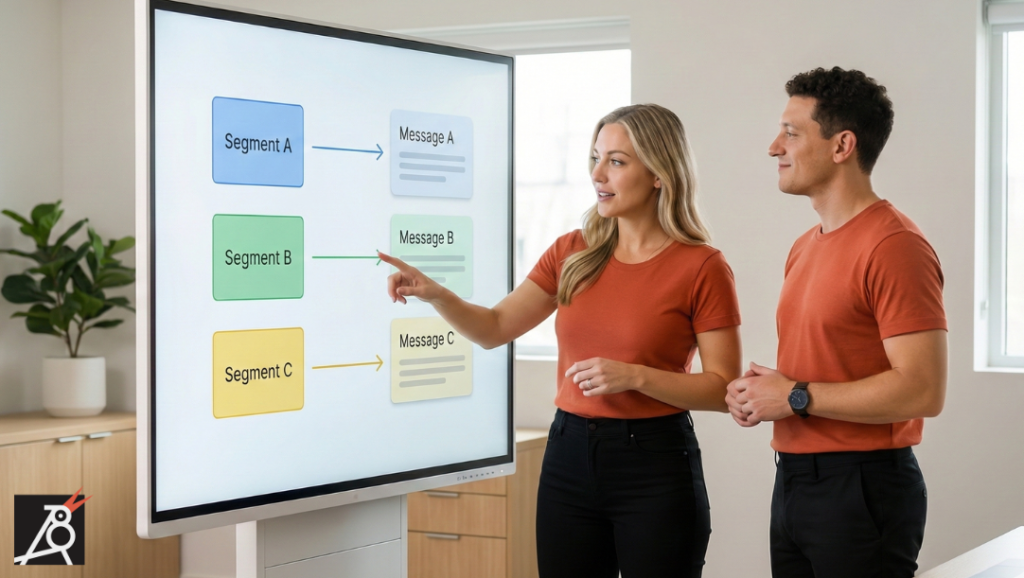
Same campaign, different versions:
- a technical explainer for an expert audience,
- a simple story for a first-time buyer,
- a short check-in for someone who has gone quiet.
You send less, but each message has a real chance to land. Open rates, clicks and revenue improve not because you shout louder, but because you finally sound like you are talking to someone, not at everyone.
The role of your tools
Platforms like HubSpot and Klaviyo simply make this equation easier to execute at scale:
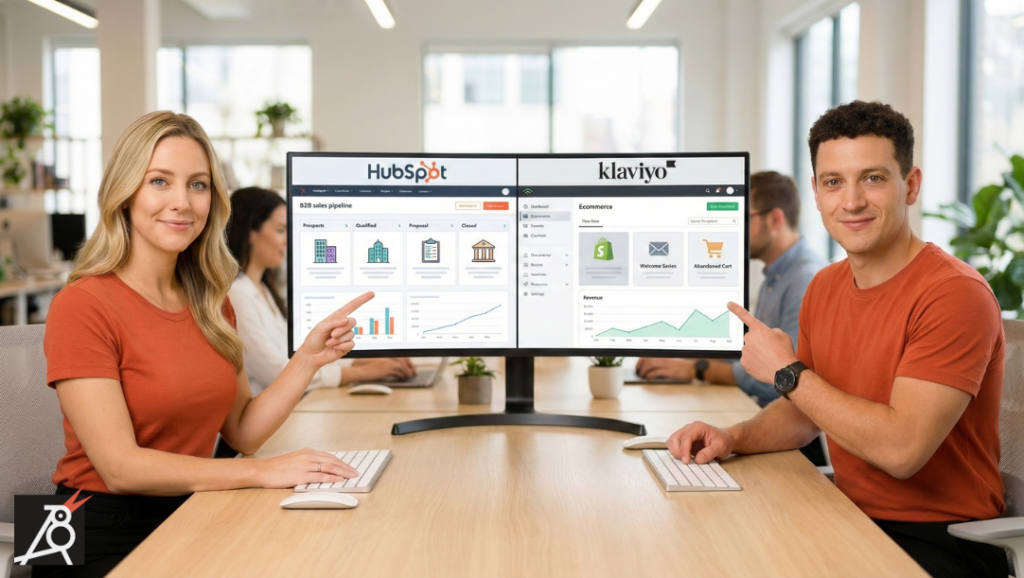
- HubSpot helps B2B and service-based brands organise their contacts, pipelines and content around clear segments and journeys.
- Klaviyo helps ecommerce and retail brands turn customer data and behaviour into email and SMS journeys that feel tailored, not random.
But the tool alone is not the strategy. The strategy is still the same: Who is this for? What do they need to hear next?
If you’d like to review how personalised your current campaigns and journeys really are – and what segmentation + messaging could look like for your brand – we’re always happy to talk it through.
👉 Let’s talk: https://bulbulagency.com/lets-talk/

Comments are closed.