World AI Cannes Festival (WAICF) 2026
Recap: Key Takeaways from Cannes | Bulbul
AI isn’t a concept anymore — it’s a deployment.
On 12–13 February 2026, at the Palais des Festivals et des Congrès in Cannes, the World AI Cannes Festival (WAICF) brought together decision-makers from government, industry, research, and the startup ecosystem for two days of conferences, debates, and business meetings built around one idea: real-world AI—use cases, lessons learned, and methods that can actually be replicated.
This recap covers the event’s scale, the calibre of speakers and institutions present, the four programme tracks (Business, Governance, Next Tech, Health), and what the WAICF Awards aim to spotlight.
Bulbul’s headline insight: the market is shifting from AI hype to deployment and scale.
That’s exactly the spirit captured in the festival’s editorial framing: the focus isn’t “what AI could do”, but how we do it responsibly, securely, and sustainably.
WAICF’s promise says it plainly: “Where AI change makers meet industry leaders.” And beyond the stage, it reflects a broader institutional momentum: supported by key territorial partners (including the Département des Alpes-Maritimes and Cannes Côte d’Azur) and held under the High Patronage of the President of the French Republic— signalling that AI is now treated as a serious economic and public-interest priority, not a trend.
For Bulbul, this is exactly why we came: to capture what’s working, what’s not, and what it means for building growth systems that don’t just look smart — they perform in the real world.
WAICF 2026 Speakers, Attendees & Exhibitors: Why the Line-Up Matters
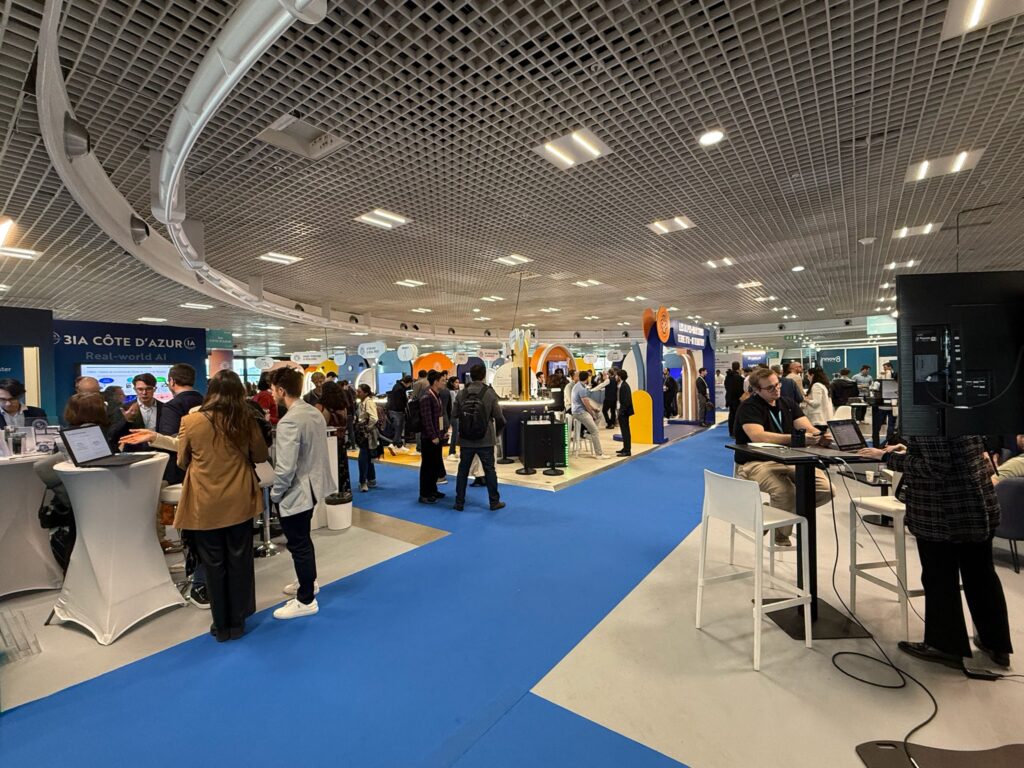
WAICF 2026 isn’t built like a “tech talk” event, it’s built like a marketplace of decision-makers. The format signals scale: around 10,000 attendees, 320 international speakers, 250 sessions, and 220 exhibitors.
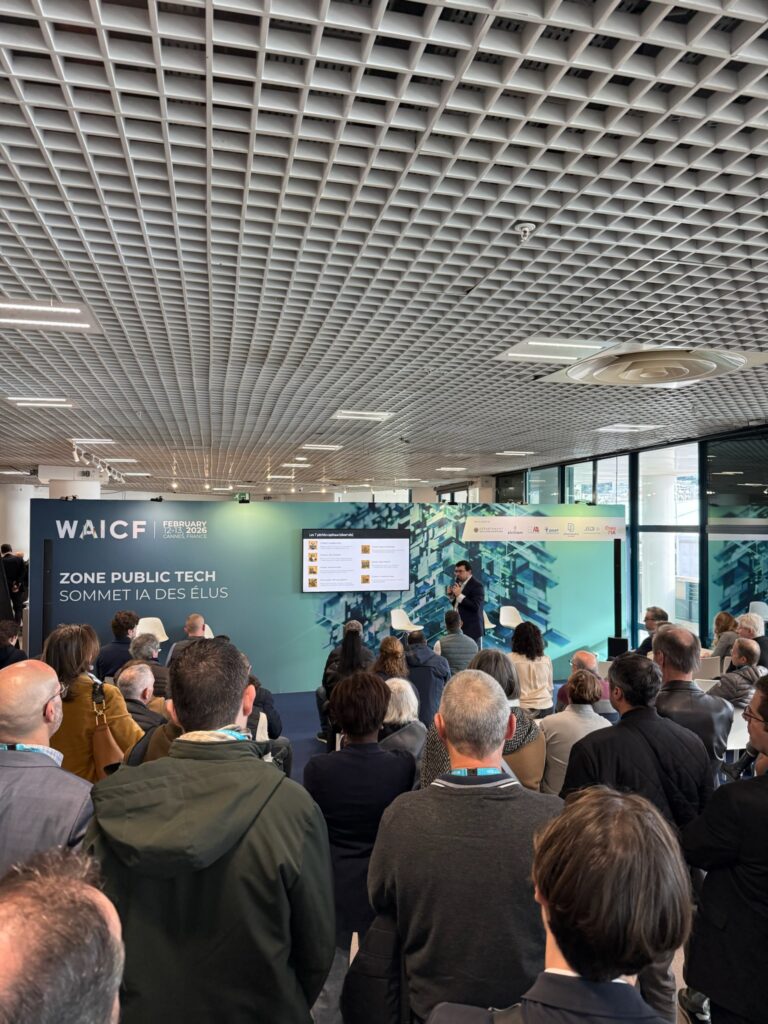
But the real indicator is the profile of the voices on stage. You’re not hearing “AI in theory”. You’re hearing AI from organisations that shape budgets, standards, infrastructure, trust, and adoption — Meta, NVIDIA, Mastercard, Salesforce, IBM, LinkedIn, WPP, Wells Fargo(and more) — plus public and international institutions like Estonia’s Ministry of Education and Research.
That concentration of names is not just prestige — it’s a market signal. AI has moved into the “boardroom / public policy / security / payments / cloud” layer of the economy. When those brands share the same stage, it means the conversation is no longer about “what AI could do”, but about how AI is being deployed under real constraints: regulation, risk, cybersecurity, sustainability, and measurable business impact.
And that’s exactly the kind of room Bulbul wanted to learn from, because this is where you see what actually wins in the market.
WAICF 2026 Programme & Key Themes: Four Tracks, One Execution Era
WAICF 2026 didn’t frame AI as a futuristic topic — it framed it as a competitive discipline. The programme was built around four industrial focuses that, together, tell you exactly where the market is heading.
- AI for Business stayed close to the ground: how organisations actually deploy and scale AI — the use cases, proof-of-concepts, and practical levers that turn “AI projects” into business value.
- AI Governance tackled the hard layer that now separates serious players from the rest: ethics, transparency, and compliance — not as a checkbox, but as the foundation of trust and sustainable innovation.
- The Next AI Tech zoomed out to the engines of the next wave: LLMs, agentic AI, robotics, high-performance computing, and quantum (the breakthroughs already reshaping what “AI capability” means).
- And the Health AI Summit, held under the patronage of the European Society for AI in Health (ESAIH), showcased concrete healthcare applications — from imaging and predictive medicine to personalised prevention and optimised care pathways.
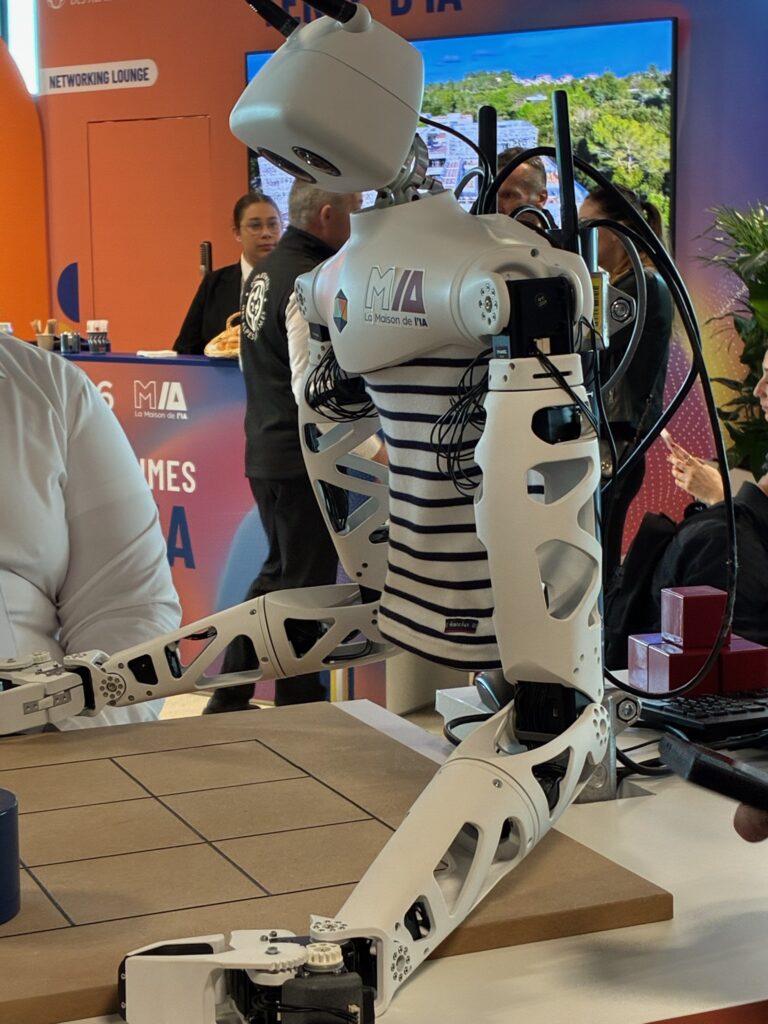
Add the scale of the event — 220 exhibitors —, and the takeaway becomes simple: this is not about AI “potential” anymore. It’s about who can ship responsibly, earn trust, and scale.
That’s exactly where Bulbul plays: turning strategy into measurable systems — CRM, automation, and growth engines that actually run. If you’re in that stage, this is our track: https://bulbulagency.com
WAICF 2026 Keynotes & Panels: The Speakers Who Shaped the Two Days
WAICF 2026 didn’t need to convince anyone it was serious. The schedule did it for them.
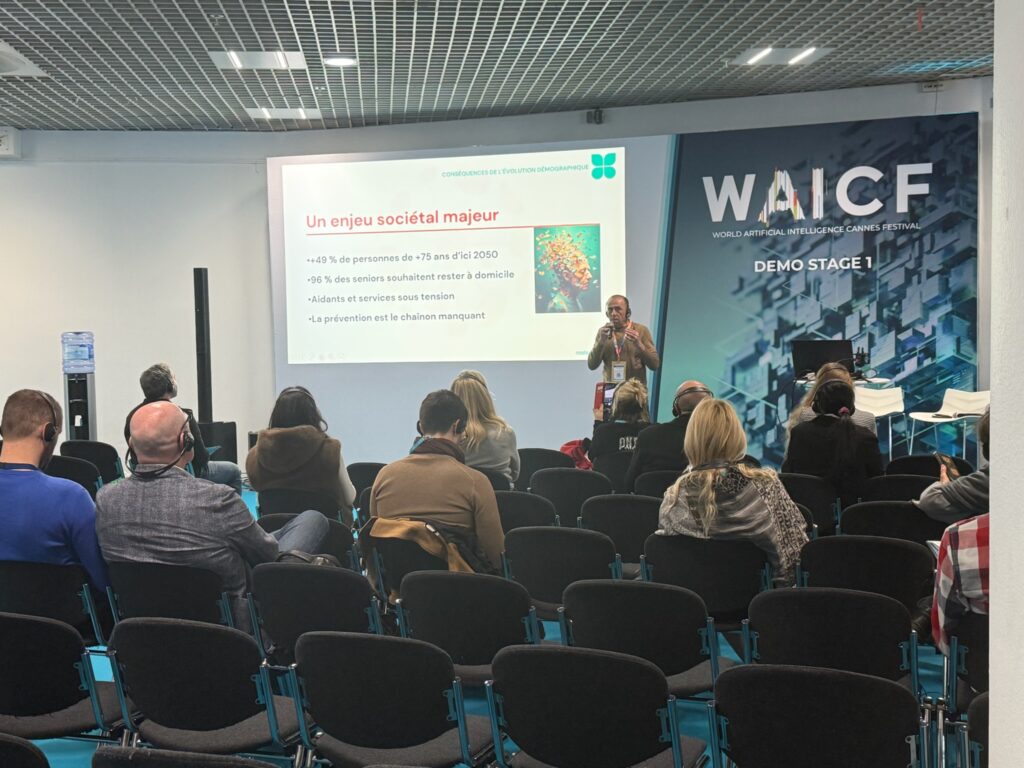
It opened with institutional keynotes from David Lisnard (Mayor of Cannes), Charles-Ange Ginésy (President of the Alpes-Maritimes Department), and Anne Le Hénanff (Minister Delegate for Artificial Intelligence), setting a clear tone: this festival isn’t about “AI hype”. It’s about AI as territory, competitiveness, and governance.
Then, across the four industrial tracks, the programme stacked sessions with names that don’t show up unless the event has real weight:
AI for Business focused on deployment and operational impact — with Eric Enselme (Executive Fellow, World Economic Forum) on AI + cobots transforming the workforce, and Michele Centemero (EVP Services Europe, Mastercard) on agentic automation reshaping digital commerce. That’s not “AI inspiration”; that’s enterprise execution.
AI Governance was where the festival flexed its depth. A keynote by Clara Chappaz (Ambassador for Al and Digital Affairs, French Ministry of Europe and Foreign Affairs) on European AI leadership in a shifting global order, followed by a heavyweight panel on technology diplomacy and democracy bringing together Francesca Rossi (President of the Honorary Committee,WAICF), Brando Benifei (MEP of the European Parliament), and Paul Nemitz (Professor at College of Europe; former Principal Advisor at European Commission). Add Dr Kristina Kallas (Estonia’s Minister of Education and Research) on education and cognitive growth — and you realise governance here isn’t a side topic. It’s the foundation.
The Next AI Tech pushed into what’s coming next, but with people who actually shape the landscape: Pascale Fung (Senior Director, Meta) on AI that understands the human world; a session on world models with James Massa (Senior Executive Director, JP Morgan Chase) and Bijit Ghosh (Managing Director, Wells Fargo); and a blunt infrastructure question — “Do the chips run the world?” — featuring Ziv Ilan (NVIDIA). When compute enters the agenda at that level, you’re not watching a trend. You’re watching a shift in power and capability.
And the Health AI Summit kept it grounded in impact: Costanza Carissimo (Cathay Innovation), Stefania Marcoli (AstraZeneca), and others exploring what will actually transform healthcare next — from imaging and predictive medicine to prevention and care pathways.
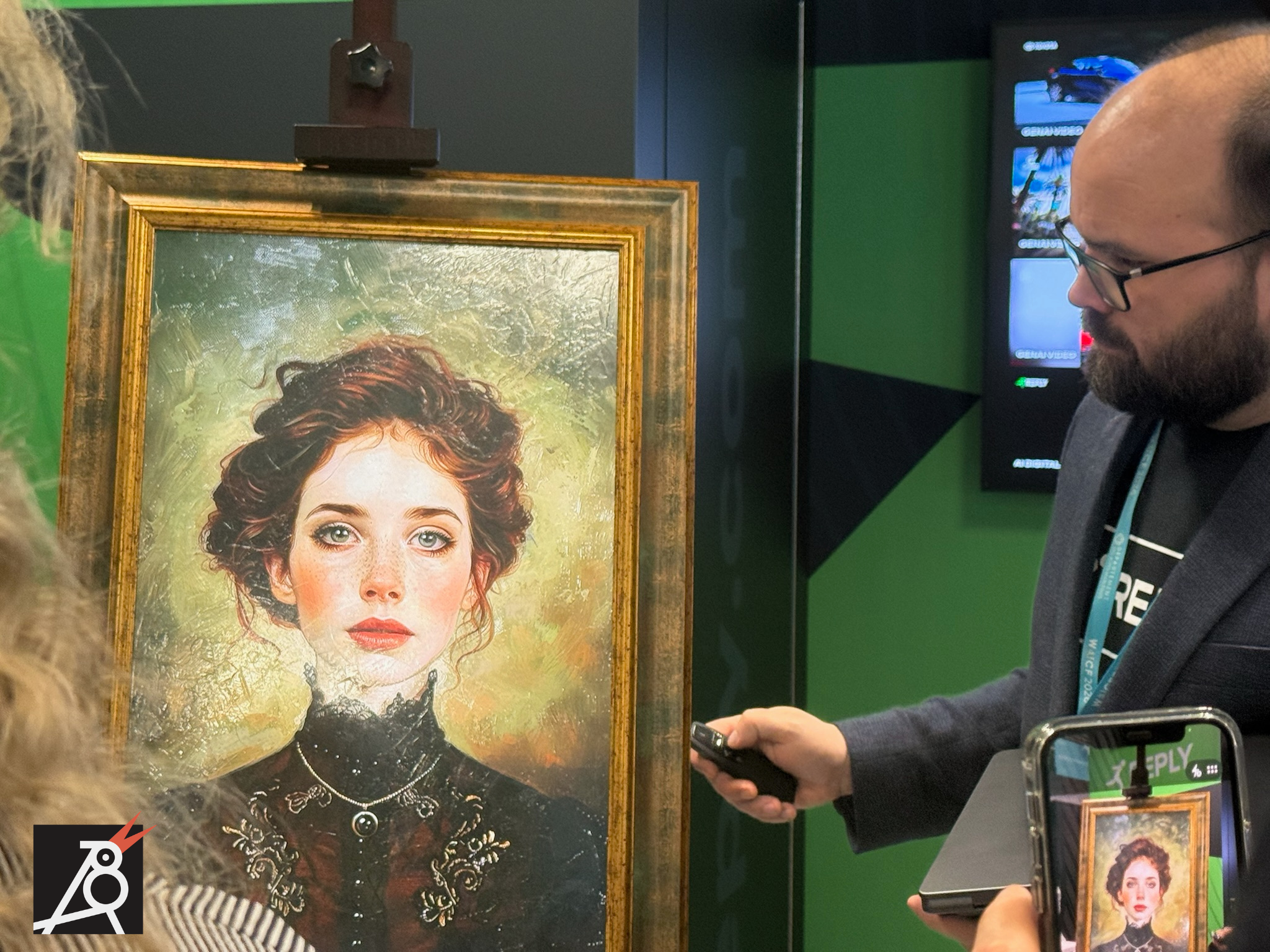
What made it even stronger is that the festival didn’t stop at the stage. Outside the rooms, exhibitors turned claims into proof — through live demonstrations and demo stages designed to make products tangible, not theoretical.
In short: WAICF 2026 felt like a place where the people building, regulating, and scaling AI were all in the same building — and that’s exactly why we came.
Bulbul’s WAICF 2026 Insights: From AI Hype to Scale
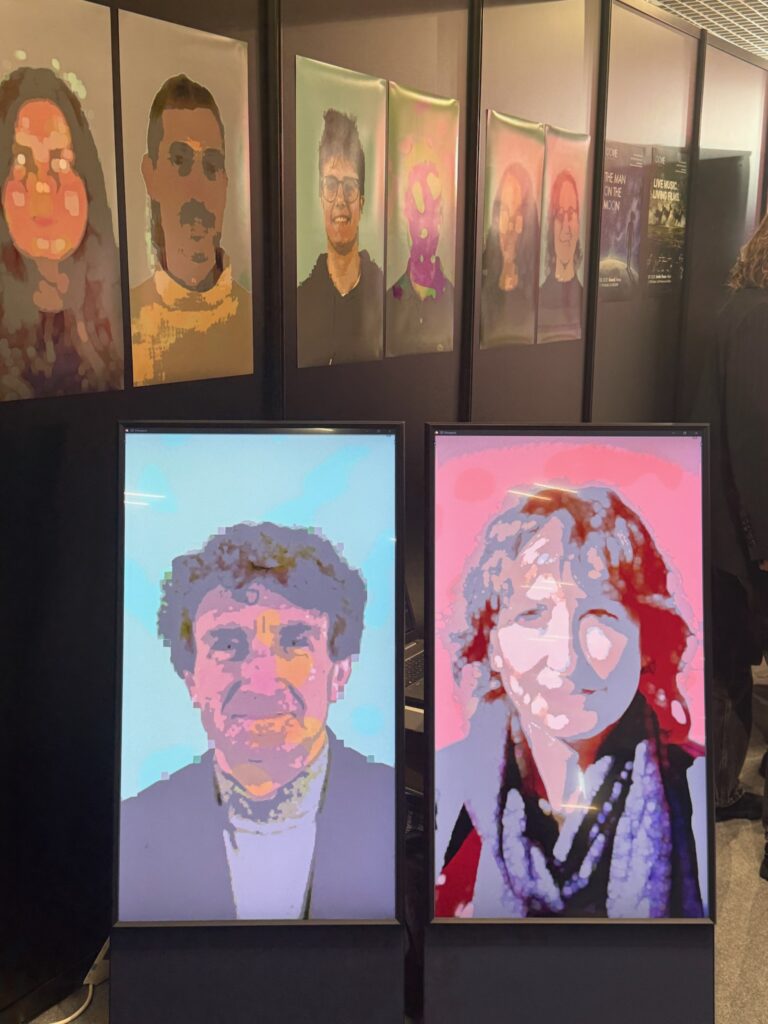
WAICF 2026 confirmed something we’ve been feeling for a while: AI has moved past the “wow” phase and into the execution phase. Across business, governance, next-gen tech and health, the same pattern kept repeating: the winners won’t be the ones with the loudest narrative, but the ones who can deploy, measure, and scale under real constraints — trust, compliance, security, and real users.
Three “from the floor” signals we’re taking with us:
- Governance is no longer separate from performance — the organisations moving fastest are the ones designing trust and accountability into delivery.
- Agentic AI is accelerating, but most teams are still rebuilding the foundations: data quality, security, and operational readiness.
- The gap is execution, not inspiration — the advantage now goes to those who can turn capability into repeatable outcomes.
For Bulbul, the most valuable lesson was seeing how the strongest organisations frame AI as a system (people + process + infrastructure + accountability), not a feature. We left with sharper conviction in our approach — building growth and CRM systems that are clean, measurable, and automation-ready — and one clear promise to our clients: we don’t chase trends; we translate what’s already working at the highest level into real-world performance for brands that want to grow.
Comments are closed.