How to Turn Video into Customers
Welcome to this week’s Marketing For You edition.
From the campaigns we run at Bulbul, one thing has become very clear: a good video on its own is not enough. What really matters is the system around it – how that video connects to your ads, your website and, finally, your customers.
In other words, we try to design everything as a simple, clear line:
Video → Ads → Customer
Below is how each steps works well.
1. Video into Customers – the first spark
A video is not just “content”. It is the first contact point in a journey.
Before we talk about cameras, formats or platforms, we ask three simple questions:
- Who is this for? Existing customers, completely cold audiences, or people who already know you a little?
- What is the one message? After watching, what should they remember in one sentence?
- What is the next step? Do you want them to discover a collection, book a call, visit a page, sign up for something?
Once this is clear, the creative choices become much easier: short vertical video for social, a slightly longer cut for the website, different hooks for cold vs warm audiences, but always with one clear CTA at the end.
The job of the video is not to “say everything”. Its job is to make the right person ready to take the next step.
2. Ads – the distribution layer
Even the best video needs help to reach the right people. This is where ads come in.
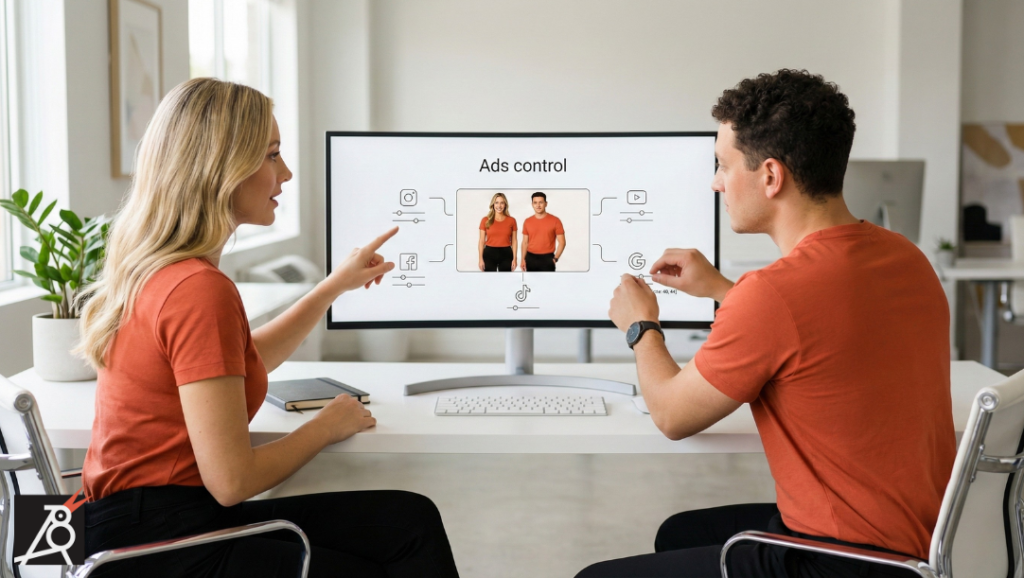
We see ads as the distribution layer for your video, not as something separate from it. A few key elements matter here:
- Who sees it? Core audience, lookalike, remarketing, local vs international – the targeting decides whether your budget feeds the right people or random views.
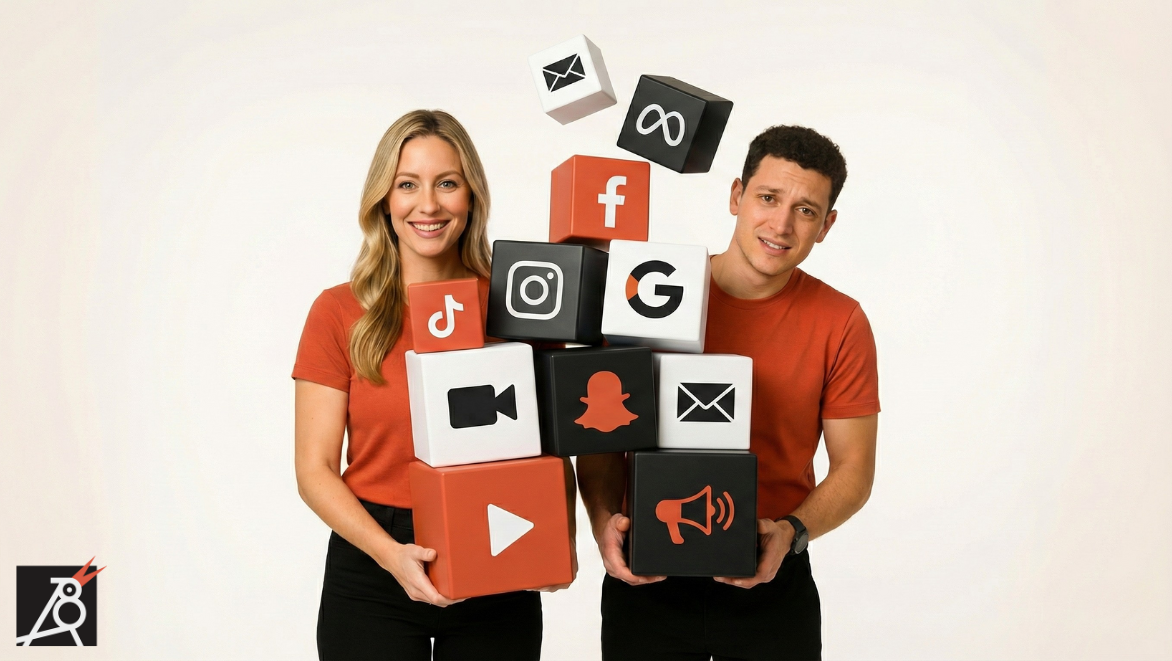
- Where and how do they see it? Instagram, Facebook, TikTok, Snapchat, YouTube, Google – and within them: Stories, Reels, in-feed, pre-roll, etc. The same video can behave very differently depending on placement and length.
- What is the role of the ad? At the top of the journey, the ad may just need to create curiosity and drive a visit. Later, it might remind people of a product they already saw or an offer they almost claimed.
In short: Video gives you the story. Ads decide who hears that story, how often, and in which context.
When video and ads are planned together, you stop “boosting posts” and start building a real customer path.
3. Customer – what happens after the click
If the video and ads are working, people will click. The question then becomes: what do they arrive to?
Here, small details make a big difference:
- The landing or page The page should feel like a natural continuation of the video: same tone, same promise, fewer distractions.
- Capturing interest Not everyone will buy or book on the first visit. That is normal. This is why we think about: newsletter sign-ups, small lead magnets, waitlists, or simply good remarketing audiences. The goal is to keep the door open.
- From visit to relationship A “customer” for us is not only a single transaction. A good system makes it easy to:
Video and ads bring people to your door. The page and the follow-up decide whether they recognise themselves in your story and feel comfortable moving forward.
Video → Ads → Customer, as one line
When you put all of this together, you can look at your marketing in a much simpler way:
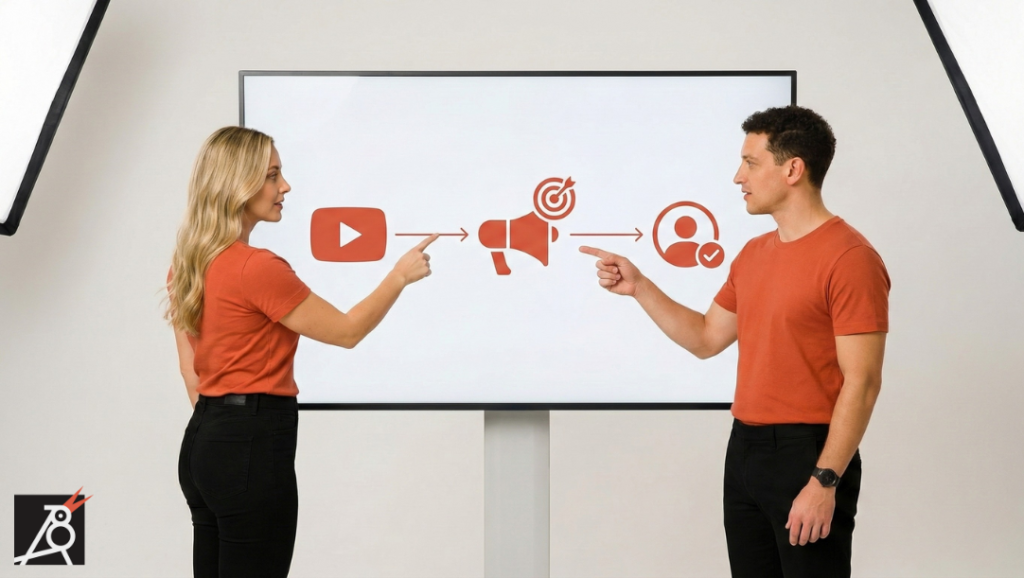
- Video – choose the story and the next step.
- Ads – decide who should see it, and where.
- Customer – design what happens when they click.
Instead of thinking in isolated pieces (“we need a video”, “we should run some ads”, “our site needs more traffic”), you start to design one continuous line from the first second of attention to the moment someone becomes a customer.
If you want this as a structured campaign
At Bulbul, we built two offers exactly around this idea of Video → Ads → Customer:
- Campaign Video Set – planning and creating the set of videos that tell your story clearly and fit the platforms where you will run them.
- Ad Campaign Pack – structuring and running the campaigns around those videos: audiences, placements, optimisation and reporting.
If you’d like to see how this could look for your brand, we’re always happy to talk it through with you.
👉 Let’s talk: https://bulbulagency.com/lets-talk

Comments are closed.