Generative Engine Optimization (GEO) explained.
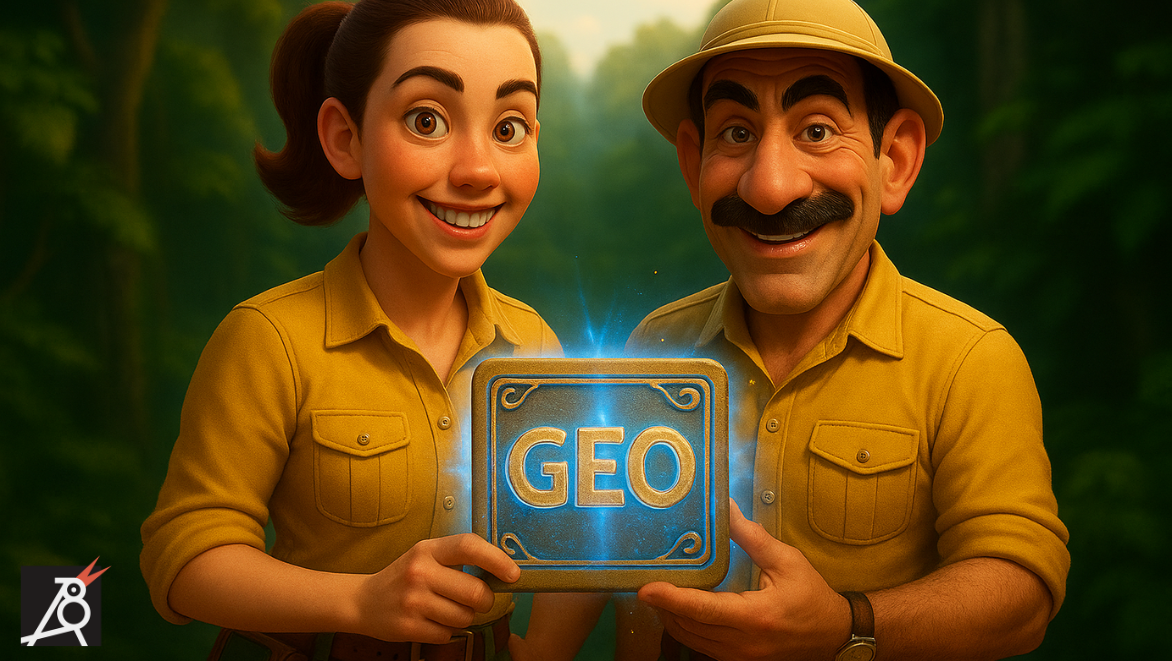
The Generative Engine Optimization (GEO) is not just another digital buzzword. It is the evolution of search optimisation in an AI-driven world where Google AI Overviews, ChatGPT, and Perplexity are reshaping how people find and consume information.
For startups, GEO represents both a challenge and an opportunity. Traditional SEO alone is no longer enough. To remain visible in 2025 and beyond, early-stage companies must adapt their growth marketing strategies to meet the demands of generative search.
In this article, we explain what GEO is, why it matters for startups, and how to design strategies that connect paid campaigns, organic growth, and performance advertising into a single growth engine.
What Is Generative Engine Optimization (GEO)?
Generative Engine Optimization (GEO) is the process of optimising content so it appears in the answers generated by AI-driven search tools. Unlike traditional SEO, which focuses on ranking in lists of links, GEO is about being referenced and cited in AI-generated responses.
Key differences from SEO:
- Focus on extractable content → concise definitions and clear explanations.
- Authority signals → trusted sources, citations, and semantic clarity matter more than backlinks alone.
- Answer-first structure → content must be written in a way that AI can summarise accurately.
For startups, adopting GEO early means ensuring your brand is visible in the very places where users are starting to rely on AI for decision-making.
Why GEO Is the New SEO in 2025
GEO is the new SEO in 2025 because user behaviour is shifting from typing queries into a search bar and clicking links, to simply reading an AI-generated overview.
- Google AI Overviews → rolling out in more markets, answering queries directly in the SERP.
- ChatGPT and Perplexity → providing AI-curated answers instead of directing users to multiple sites.
- Content saturation → as competition grows, only content optimised for AI visibility gets surfaced.
For startups, this means:
- You cannot rely solely on ranking #1 in Google anymore.
- Your brand must be mentioned, cited, or referenced within generative engines.
- Adapting now gives you a head start over competitors that are still focused on “blue link SEO.”
GEO Strategy for Startups
A GEO strategy is the structured plan to optimise startup content for AI search engines.
Key components of an effective GEO strategy:
- Definition-style headings → Start each H2 with a clear, extractable definition.
- Concise sentences → Keep answers short (one to two lines) for snippet-friendly content.
- Authority sources → Link to reliable data points (Statista, HubSpot, Harvard Business Review).
- Semantic depth → Cover topics thoroughly so AI models can use your text as a reference.
- Structured FAQs → Optimise content for direct Q&A extraction.
Pro Tip: GEO strategy works best when paired with paid social campaigns and performance advertising. Startups that create content optimised for AI while simultaneously running ads maintain visibility across all user journeys.
Best Practices for Generative Engine Optimization
Successful GEO content is not about keyword stuffing — it is about clarity, authority, and structure.
Best practices include:
- Use definition-first H2s → “What is [topic]?” or “[Topic] explained.”
- Answer with precision → Write in snippet-ready language.
- Blend SEO with GEO → Keep keyword targets but adapt content to be AI-readable.
- Optimise metadata → Meta descriptions should be concise, keyword-rich, and CTA-oriented.
- Leverage structured data → Schema markup helps AI engines interpret your content.
Example: A SaaS startup publishing a landing page on “project management software” should include:
- A clear definition of project management tools.
- Snippet-ready comparisons to competitors.
- FAQ sections answering “Is project management software worth it?”
This increases the chance of being cited in generative search results.
Startup Growth Marketing with GEO
Startup growth marketing is about combining organic, paid, and product-led channels to accelerate adoption. GEO is now an integral part of this mix.
Benefits for startups:
- Organic exposure in AI answers → brand visibility without ad spend.
- Higher authority perception → being cited by AI increases trust.
- Long-term growth engine → compounding visibility as AI learns from past content.
Scenario: A fintech startup publishes GEO-optimised guides on “AI in accounting.” Those guides are picked up by Google AI Overviews, driving top-funnel awareness. Retargeting ads on Meta then convert those users into free trial sign-ups.
This is startup growth marketing in action — GEO for awareness, paid campaigns for conversion.
Performance Advertising Meets GEO
Performance advertising is about measurable ROI. GEO complements it by ensuring organic visibility where ads cannot always reach.
How they work together:
- Ads capture immediate intent → Google Search Ads for bottom-funnel users.
- GEO builds authority visibility → cited in AI overviews at the research stage.
- Attribution and tracking → measure the combined effect using HubSpot or GA4.
- Budget efficiency → balance between paid campaigns and GEO for sustainable CAC.
Startups that master both performance advertising and GEO will have the strongest growth advantage in 2025.
Try Our Ad Campaign Pack
We manage your ad campaigns across Google, LinkedIn, Meta, TikTok, and YouTube with strategy, creative production, and performance optimisation. Alongside paid campaigns, we help startups prepare their content for GEO so they remain visible in the AI-driven search era.

Your first 14 days are free.
Then €1690.90 per month
Final Thoughts
The Generative Engine Optimization (GEO) signals a new era for startups. Search is no longer about ranking on page one — it is about being cited in the answers people read directly from AI systems.
Startups that adopt GEO early, align it with performance advertising, and integrate it into their growth marketing strategy will build long-term visibility and sustainable competitive advantage.
Frequently Asked Questions
What is Generative Engine Optimization (GEO)?
It is the process of optimising content so it appears in AI-generated search results such as Google AI Overviews or ChatGPT answers.
How is GEO different from traditional SEO?
SEO focuses on link rankings, while GEO focuses on extractable content cited in AI summaries.
Why should startups care about GEO in 2025?
Because user behaviour is shifting — more people consume answers directly from AI engines rather than clicking links.
Can GEO replace SEO completely?
No. GEO complements SEO. Startups need both to ensure visibility across AI and traditional search.
Related Reading

🤝 Bulbul is an official partner of AdCreative.ai, strengthening our expertise in AI-powered ad creation and campaign management for startups and fast-growing teams.

Comments are closed.